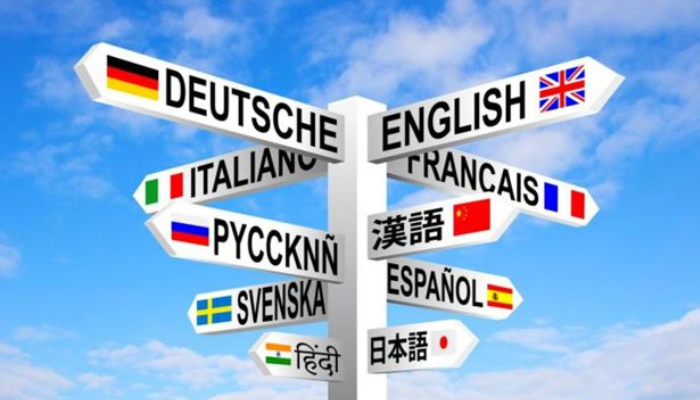
Language acquisition is an essential skill in our globalized world, yet some languages present formidable challenges for English speakers. A recent analysis by BusinessDay highlights ten of the most difficult languages to master, underscoring the significant investment of time and effort required for proficiency. Languages such as Mandarin, Arabic, and Hungarian topped the list due to their complex grammar, pronunciation, and writing systems.
Experts emphasize that the difficulty of learning a language often correlates with its cultural nuances. "Understanding a language goes beyond grammar; it’s about immersing yourself in its culture," says Dr. Lydia Mwangi, a linguistics professor at the University of Nairobi. This insight reflects the broader implications of language learning, where cultural exchange fosters deeper connections and mutual understanding.
As globalization continues to reshape interactions, the demand for multilingual individuals is likely to rise. For those willing to embrace the challenge, mastering a difficult language can unlock new professional opportunities and cultural insights that enrich personal and professional lives. The growing recognition of language's importance in diplomacy and business may motivate more English speakers to embark on this rewarding journey.