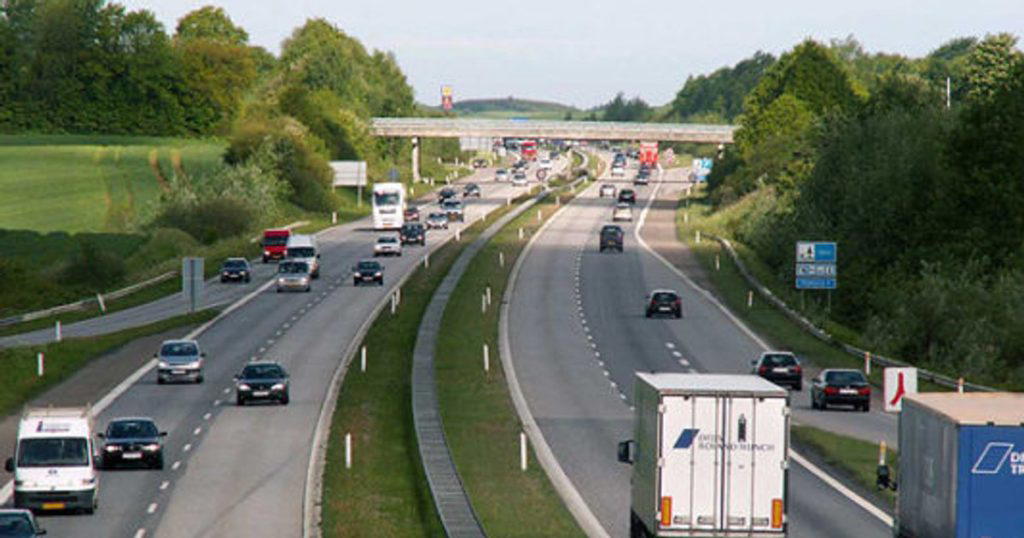
As of 2026, road infrastructure in Africa remains critical for economic development and regional connectivity. Countries with extensive road networks, such as South Africa, Kenya, and Nigeria, lead in facilitating trade and mobility, which are essential for sustainable growth. The African Union's Agenda 2063 emphasizes the importance of infrastructure in enhancing intra-African trade, enabling nations to improve their logistics and reduce transportation costs.
Recent investments in road construction and maintenance have yielded significant progress, with governments increasingly recognizing the role of transport connectivity in alleviating poverty and boosting industry. "Investing in our road networks is investing in our future," stated Tunde Adebayo, Director of Infrastructure Development at the African Development Bank. This sentiment underscores a growing commitment to infrastructure as a pathway to economic resilience.
Looking ahead, the continued expansion of road networks across the continent will likely foster deeper regional integration and unlock new opportunities for collaboration. As countries enhance their connectivity, the potential for increased trade and economic growth becomes more attainable, positioning Africa as a significant player in the global economy.